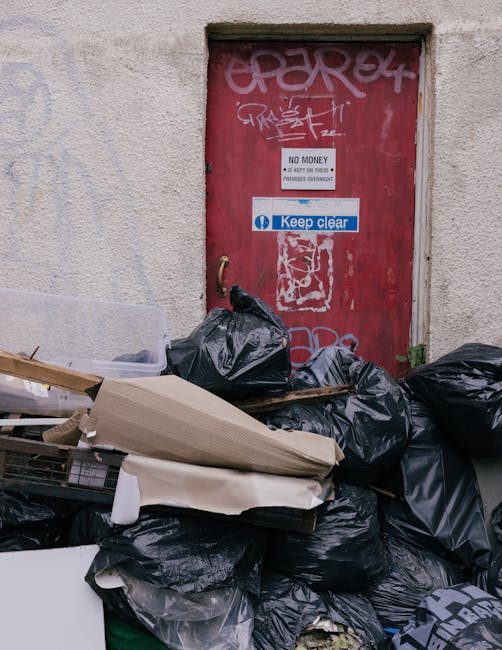
Skip hire alternatives for rubbish Kings Cross what to know

If you need to clear rubbish in Kings Cross, the obvious first thought is often a skip. Fair enough. But in a busy part of London, a skip is not always the easiest, cheapest, or even the most practical option. Space is tight, permits can be awkward, and you may only have a small amount of waste to move. That is where skip hire alternatives for rubbish Kings Cross what to know becomes genuinely useful: it helps you choose a cleaner, quicker, and more suitable way to get rid of waste without paying for more than you need.
This guide breaks down the main alternatives, how they work, where they fit best, and what to watch out for. Whether you are clearing a flat, sorting out builders' rubble, getting rid of old furniture, or dealing with mixed household waste, you will come away with a clearer plan. No fluff, no nonsense. Just the practical stuff that matters.
Why Skip hire alternatives for rubbish Kings Cross what to know Matters
Kings Cross is not the sort of place where waste removal is simple by default. Streets can be narrow, access may be shared, and parking is often a headache before you have even picked up a single box. A skip can work, of course, but in many real-life situations it creates more friction than value.
Think about a typical flat clearance: a mattress, a broken chest of drawers, a few bags of mixed junk, maybe some small electricals and packaging. Do you really want to pay for a skip that sits outside for days, fills up before you thought it would, and then needs a permit and street space? Sometimes yes. Often, no.
That is why alternatives matter. They give you options that are more flexible, more targeted, and easier to match to the job. In a dense London area, convenience is not a luxury. It is half the battle.
There is also the practical side of waste type. Not all rubbish is equal. General household waste, furniture, builders' debris, green waste, and items like fridges or hazardous materials should not be treated the same way. A good alternative to skip hire should make that easier, not more confusing.
If you want a broader sense of what can and cannot go into a skip before you compare options, the guide on what can go in a skip is useful background. It helps you see why some loads are better handled through other routes altogether.
How Skip hire alternatives for rubbish Kings Cross what to know Works
At a basic level, skip hire alternatives fall into a few categories. Some involve a team collecting your waste and loading it for you. Others involve bagged waste being collected, pre-sorted rubbish being taken to a licensed transfer point, or specialist removal for particular items. The best option depends on volume, access, urgency, and the type of rubbish you have.
Here is the simple version:
- Man and van waste removal suits mixed loads, smaller clearances, and awkward access.
- Full-service clearance works well when you want everything taken from inside the property.
- Specialist item removal is better for large or difficult items like appliances, sofas, or mattresses.
- Bag-based solutions can suit light, ongoing, or staged clear-outs.
- Direct collection may be best for businesses or regular waste streams.
In practice, you book a collection, describe what needs removing, and the team arrives with the right vehicle and labour. If needed, they sort and separate the load so recyclable items can be handled properly. That is a big difference from a skip, where you are often doing the loading, the lifting, and the planning yourself.
For larger domestic jobs, house clearance and flat clearance services can be more efficient than hiring a skip and trying to manage the mess on your own. If the work is more specific, such as old sofas, broken wardrobes, or a few bulky pieces, furniture disposal or furniture clearance may be the cleaner fit.
Key Benefits and Practical Advantages
The main appeal of skip hire alternatives is not some grand theory. It is that they tend to make life easier on the day.
1. Less stress with access and parking
In Kings Cross, a skip can become a logistical project. With an alternative, the vehicle arrives, the waste is loaded, and the job is done. No waiting around staring at a half-filled metal box in the street. Lovely.
2. Better for small and medium loads
If you only have a few bulky items or a mixed pile from a declutter, a skip often feels like overkill. A smaller collection keeps costs and disruption under control.
3. Labour included
This is a big one. Moving heavy items down stairs, through narrow hallways, or out of a top-floor flat is where many people hit the wall. A clearance team does the lifting, which is not glamorous but it is very real value.
4. Faster turnaround
People often need rubbish gone now, not next week. With the right alternative, that is possible. Useful if you are between tenancies, preparing for trades, or trying to get a room back into use by the weekend.
5. More precise waste handling
Specialist removal is often better for items that should be separated, such as appliances or confidential materials. For example, office clear-outs may benefit from office clearance or confidential shredding rather than a one-size-fits-all skip solution.
6. Can be more sustainable in practice
When waste is sorted properly, recycling becomes much easier. If sustainability matters to you, look for services that explain their approach clearly, such as recycling and sustainability.
Who This Is For and When It Makes Sense
Skip alternatives are not just for people trying to save money. They suit a very specific kind of problem. If that sounds like yours, you are in the right place.
- Flat owners and tenants who need waste removed from upper floors or tight hallways.
- Landlords and letting agents dealing with end-of-tenancy clear-outs.
- Homeowners clearing a loft, spare room, garage, or cluttered storage space.
- Businesses needing a one-off office or stockroom clearance.
- Trades and property teams handling builders' waste or renovation debris.
It also makes sense if you do not want waste sitting outside for a long period. In a busy area like Kings Cross, that matters more than people sometimes admit. A skip left on the road can attract extra hassle, and no one enjoys looking at building debris every time they open the curtains.
For trade-related jobs, builders' waste clearance is often a more sensible route than skip hire, especially when access is poor or the job generates mixed material rather than one neat pile of rubble. For commercial sites, business waste removal can be the smarter option if you need a tidy, repeatable process.
Step-by-Step Guidance
If you are comparing options for rubbish removal in Kings Cross, this is a good way to think it through. Keep it simple. Honestly, that is usually the best place to start.
- List what you need removed. Be specific. Old sofa, 6 black bags, a broken fridge, cardboard, some timber offcuts. The more exact you are, the better the recommendation.
- Separate the awkward items. Fridges, mattresses, screens, paint, and other specialist waste often need separate handling. Do not mix them casually and hope for the best.
- Check access. Think stairs, lifts, parking, permits, and whether someone will need to be home. Small detail, huge difference.
- Decide how much help you want. Do you want someone to collect from the curb, or do you want a full indoor clearance? That answer changes the right service.
- Ask about recycling and disposal. A decent provider should be able to explain where the waste goes and what happens to reusable items.
- Compare the real cost. Not just the headline price. Factor in labour, vehicle size, access, and whether loading is included.
- Book a sensible time slot. If you have tenants moving out or trades arriving, timing matters more than people think. A two-hour window can save a lot of faff.
For item-specific jobs, it can help to use service pages that match the waste type. For example, garage clearance for stored clutter, loft clearance for upstairs storage, or garden clearance when outdoor waste has built up over time.
Expert Tips for Better Results
There are a few habits that make rubbish removal smoother straight away. Small things, but they add up.
Be honest about volume. Underestimating waste is the classic mistake. A room that looks "only half full" can turn into a van-load once items are taken apart.
Keep reusable and disposable items apart. If one chair is salvageable and the other is broken, separate them. It helps the crew work faster and may improve recycling outcomes.
Take photos before booking. In our experience, this is one of the easiest ways to avoid confusion. A few clear photos often tell the story better than a long description.
Think about timing around neighbours. In a shared building, early-morning banging and dragging can be a bit much. A considerate slot is worth it.
Use the right service for the right material. A sofa, a broken appliance, and a pile of builders' rubble are not the same thing. Treating them as identical is how things get messy. Literally and financially.
If your clearance includes bulky household items, the pages for mattress and sofa disposal and fridge and appliance removal are useful examples of how specialist removal is often handled more efficiently than a skip.
And one more thing: do not leave everything to the last minute and then act surprised when the staircase is not wide enough for a wardrobe. We have all seen that movie before.
Common Mistakes to Avoid
Most rubbish-removal problems are avoidable. The issue is usually not the service itself; it is the planning around it.
- Choosing a skip by default without checking whether access or permit issues make it impractical.
- Mixing prohibited or specialist waste into a general load.
- Forgetting about heavy items like wardrobes, appliances, and wet materials that are much heavier than they first appear.
- Not confirming loading help and assuming it is included.
- Failing to measure access through doors, lifts, stairwells, and gates.
- Ignoring disposal standards and choosing the cheapest option without asking where waste ends up.
A common one in Kings Cross is assuming a skip will be the easiest route for a flat or basement property. Sometimes it is. Often it really is not. The quickest-looking option is not always the quickest in practice.
If you want more confidence around disposal rules and expectations, it can be helpful to review the site's hazardous waste disposal information too. That is especially relevant if your clearance includes chemicals, batteries, or other items that should not be thrown in with general rubbish.
Tools, Resources and Recommendations
You do not need fancy tools to make a clearance go well. A decent plan is worth more than gadgets. Still, a few practical helpers can make a surprising difference.
- Phone camera: Use it to photograph the waste before booking. A couple of angles is usually enough.
- Tape measure: Handy if you are checking whether bulky furniture will fit through tight spaces.
- Sticky notes or labels: Useful if you are separating keep, donate, recycle, and remove piles.
- Boxes or sacks: Good for mixed small waste, paperwork, or loose bits and pieces.
- Simple room-by-room list: Especially useful for larger clearances where rubbish is spread across several rooms.
On the service side, you may find these pages useful depending on your situation: home clearance for whole-property jobs, furniture disposal for bulky items, and waste removal for general collections where flexibility matters more than a fixed skip size.
If you are comparing providers, their pricing and quotes page can help you understand how estimates are structured. That is useful because waste jobs are rarely a perfect one-size-fits-all purchase.
Law, Compliance, Standards, or Best Practice
When rubbish is removed from a property, the details matter. You do not need to become a waste-law expert, but you should know the basics.
In the UK, waste should be handled by people and businesses that manage it responsibly and are able to demonstrate lawful disposal. For you as the customer, the practical takeaway is simple: ask how the waste will be transported, sorted, and processed. If you have specialist items, ask whether they need separate handling.
Best practice also means being careful with:
- hazardous materials,
- electrical equipment,
- confidential paper,
- mattresses and upholstered items,
- mixed renovation waste.
That is where a better organised clearance route usually beats a general skip. It creates fewer grey areas and reduces the chance of items being placed where they should not be. Not exactly glamorous, but very sensible.
If safety and trust matter to you, it is also worth checking the provider's approach to health and safety, insurance and safety, and payment and security. Those pages are a decent sign that the business takes the practical side seriously, not just the marketing side.
Options, Methods, or Comparison Table
Here is a straightforward comparison of common skip hire alternatives in Kings Cross. It is not about finding a perfect winner. It is about matching the job properly.
| Option | Best for | Strengths | Limitations |
|---|---|---|---|
| Man and van waste removal | Small to medium mixed loads | Flexible, quick, labour included | May not suit very large volumes |
| Full property clearance | Flats, houses, end-of-tenancy clear-outs | Good for heavy lifting and whole-room jobs | Can be more than needed for tiny loads |
| Bulky item disposal | Sofas, beds, wardrobes, appliances | Focused handling, less hassle | Not ideal if you also have lots of loose rubbish |
| Builders' waste clearance | Renovation debris and site waste | Better for mixed trade waste and access issues | Needs clear description of materials |
| Business waste removal | Offices, shops, stockrooms | Suitable for repeat or one-off commercial needs | May require planning around trading hours |
As a rough rule, if your waste is spread across a property, involves heavy lifting, or includes bulky furniture, a skip alternative is often the cleaner choice. If you have a very large, open area with easy access and lots of inert material, a skip may still be fine. Different job, different answer.
Case Study or Real-World Example
A common Kings Cross scenario goes like this. A tenant moves out of a first-floor flat and leaves behind a mix of items: a broken desk, two chairs, bags of general rubbish, an old mattress, and some cardboard from flat-pack furniture. The hallway is narrow, the lift is small, and the street outside is already busy. A skip would mean permit questions, loading issues, and a box sitting in the way for days.
In that situation, a clearance team makes far more sense. The items are removed from inside the flat, the mattress is handled separately, the furniture is loaded safely, and the mixed waste is sorted afterwards. The whole thing gets done in one visit. The tenant's deposit issue is another matter, of course, but at least the rubbish bit is sorted.
Another example: a small office near Kings Cross is refurbishing and needs old chairs, cables, packaging, and filing cabinets removed before new desks arrive. Using office clearance or business waste removal is usually more efficient than trying to fill a skip with a broad mix of office waste and hoping it all fits neatly. It rarely does.
The point is not that skips are bad. They are just not always the best tool. And once you see the real-world logistics, that becomes obvious pretty quickly.
Practical Checklist
Use this before booking any rubbish removal option in Kings Cross.
- List every item or type of waste you need removed.
- Measure access points, stairs, and lift size if relevant.
- Check whether any items need specialist handling.
- Decide if you want curbside collection or full indoor clearance.
- Take photos so the job can be assessed properly.
- Ask how recycling or reuse is handled.
- Confirm whether loading labour is included.
- Consider timing around neighbours, trades, or tenancy deadlines.
- Review the provider's pricing approach before you commit.
- Make sure you understand what happens to any hazardous or bulky items.
One small but useful habit: clear a path before the crew arrives. It sounds basic, but it saves time and reduces the chance of delays. Easy win. You will notice the difference straight away.
Get a free quote today and see how much you can save.
Conclusion
For many people in Kings Cross, skip hire is not the wrong answer, it is just not the only answer. When access is awkward, waste is mixed, or you want the lifting done for you, skip hire alternatives can be faster, tidier, and less stressful. That is especially true for flats, offices, and compact urban properties where the practical details matter just as much as the price.
The smartest approach is simple: match the waste to the method. If you do that, you will usually save time, avoid unnecessary hassle, and get a better result all round. And, to be fair, that is what most people want in the end - just the rubbish gone, properly and without drama.
If you are ready to take the next step, explore the service pages that fit your job, compare your options carefully, and choose the route that makes the least mess in your day. It is a small relief, but sometimes those are the best ones.
Frequently Asked Questions
What is the best alternative to skip hire for rubbish in Kings Cross?
The best alternative depends on the job. For mixed waste and bulky items, a man-and-van collection or full clearance service is often more practical than a skip, especially where access is tight.
Is skip hire or waste removal better for a flat in Kings Cross?
For many flats, waste removal is better because the team can collect from inside the property and deal with stairs, lifts, and awkward access. A skip can work, but it is often less convenient.
Can I get rid of furniture without hiring a skip?
Yes. Furniture can usually be taken through furniture clearance or furniture disposal services, which are often easier than trying to load a skip yourself.
What happens to the rubbish after collection?
That depends on the provider and the waste type. Good practice is for items to be sorted, with reusable or recyclable material separated where possible. Some waste may need specialist handling.
Are skip hire alternatives cheaper than a skip?
Sometimes yes, sometimes no. Smaller jobs are often cheaper with an alternative because you only pay for the labour and vehicle space you actually need. For very large loads, a skip may still be cost-effective.
Do I need a permit if I use a waste removal service?
Usually not in the same way you might for a skip placed on the road. That is one reason many people choose collection services in central London, where street space is at a premium.
What if my rubbish includes a fridge, mattress, or sofa?
Those items often need specific handling. It is better to mention them upfront and use the relevant disposal route, such as fridge and appliance removal or mattress and sofa disposal.
Can builders' waste be removed without a skip?
Yes. Builders' waste clearance is often a strong alternative, particularly for renovation jobs with mixed debris or limited access. It can be much easier than placing a skip outside a property.
How do I know a waste company is handling disposal properly?
Look for clear explanations about recycling, safety, insurance, and how different waste types are managed. Transparency is a good sign. If a company is vague, that is worth noticing.
What should I prepare before a rubbish collection?
Make a clear list of items, take photos, check access, and separate anything hazardous or fragile. A little prep keeps the collection quicker and avoids surprises on the day.
Is waste removal suitable for businesses in Kings Cross?
Yes. Business waste removal is often a better fit than a skip for offices, shops, and commercial spaces because it can be arranged around trading hours and specific site needs.
Where should I start if I am unsure which option to choose?
Start with the type and amount of waste, then think about access and timing. If you are still unsure, the safest route is to compare general waste removal, furniture clearance, and specialist item services before deciding.
If you want to explore more about the company behind these services, the about us page is a good place to start, and if you are ready to arrange collection, you can use the book online page when it suits you.
Sometimes the simplest answer is the best one: choose the method that makes the job easier, safer, and less of a headache. That tends to be the right one, more often than not.