Flat Clearance Kings Cross — Health and Safety Policy
Purpose: This policy sets out the commitment of our flat clearance and rubbish removal business to protect the health, safety and welfare of employees, contractors, clients and members of the public. It applies to all operations associated with our clearance service, including domestic flat clear-outs, communal rubbish collection, furniture removal and waste disposal activities. The aim is to eliminate or reduce workplace hazards through clear responsibilities, risk control measures and continuous review.Scope and Responsibilities
The policy covers all staff, subcontractors and temporary operatives engaged in estate clearance, rubbish removal and related logistical tasks. Management will provide resources, training and supervision, while every worker has a duty to follow safe systems of work. Duties include safe lifting, correct use of equipment, reporting hazards and cooperating with incident investigations. All operatives are required to familiarise themselves with this policy and implement the controls described.
Key Responsibilities (summary)
- Management: risk assessment, provision of PPE, vehicle upkeep and monitoring.
- Supervisors: ensure safe work planning, tool checks and site safety briefings.
- Operatives: follow procedures, use PPE, report defects, and stop unsafe work.
Risk Assessment and Control Measures
Risk assessments will be completed for all clearance tasks, identifying manual handling hazards, slips, trips, falls and potential exposure to hazardous materials such as asbestos-containing items, sharps or chemical containers. Controls include safe lifting techniques, use of mechanical aids, exclusion zones where required, and clear signage. Where hazardous waste is encountered, teams will segregate materials for specialist disposal and notify management for appropriate handling.
Operational Procedures
Operations will be planned to reduce risks: pre-job site evaluations, timed loading schedules to avoid peak pedestrian movement, and clear communication between drivers and crew. Vehicle checks, load securing, and route risk awareness are mandatory. Our refuse removal and rubbish collection processes prioritise safe stacking and containment to prevent shifting loads or spillage during transit.Training and competence are fundamental. Staff will receive induction, manual handling certification, and refresher sessions. Training records will be maintained and reviewed periodically. Incident reporting procedures require immediate notification of injuries, near misses and property damage so that corrective measures are implemented without delay. Emergency arrangements include first aid provision, fire response protocols and liaison with emergency services if needed.
Equipment, PPE and Vehicle Safety
All tools, lifting equipment and vehicles used in flat clearance, rubbish removal and clearance operations will be inspected before use and maintained in accordance with manufacturer guidance. PPE such as gloves, hi-vis clothing, safety boots and eye protection are provided and must be worn as required. Drivers must ensure vehicles are roadworthy, loads are secured and documentation accompanies controlled wastes where applicable.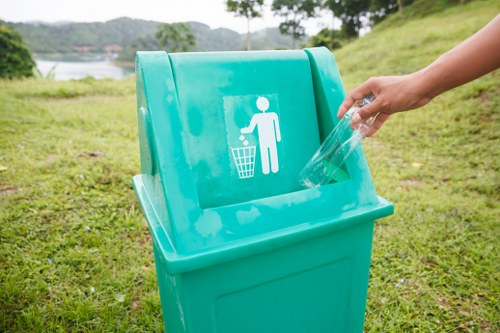
Environmental Controls and Waste Segregation
Our waste handling procedures emphasise recycling, re-use and correct classification of refuse. Recyclables are segregated from general waste at source where practical; hazardous items are isolated and managed through licensed channels. The clearance service will avoid cross-contamination and ensure that site contamination risks are mitigated through containment, prompt removal and appropriate disposal routes. Environmental stewardship is embedded in operational planning.